
Medicine

Benjamin Blatt, M.D., professor of medicine, was interviewed by The AAMC Reporter for an article about training future leaders in academic medicine.

Dominic Raj, M.D., director of the division of nephrology and professor of medicine at the George Washington University School of Medicine and Health Sciences, was the recipient of two prestigious UO-1 grants from the National Institutes of Health (NIH). These multi-million dollar studies will…
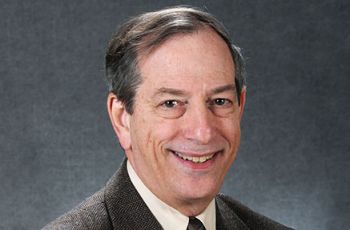
Richard Katz, M.D., Bloedorn Professor of Cardiology, professor of medicine, and director of the division of cardiology at the George Washington University School of Medicine and Health Sciences, has been awarded $1.9 million by the Patient-Centered Outcomes Research Institute for a three-year…
Richard Katz, M.D., Bloedorn Professor of Cardiology, professor of medicine, and director of the division of cardiology, was featured in Healthcare Technology Online for being awarded a $1.9 million by the Patient-Centered Outcomes Research Institute.
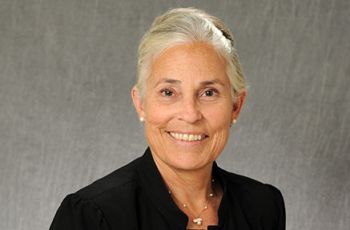
Patience White, M.D., professor of medicine, was quoted in the Daily Herald. She discussed recent research showing that osteoarthritis isn't just a result of wear and tear on your joints, but arises from an interplay between environment and genetics.
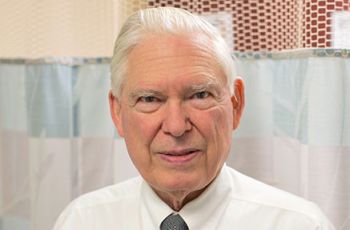
James Ahlgren, M.D., professor of medicine, was interviewed by Medscape Medical News about the potential benefits and risks of using computed tomography colonography to screen asymptomatic adults aged 50 to 80 years for colorectal cancer.
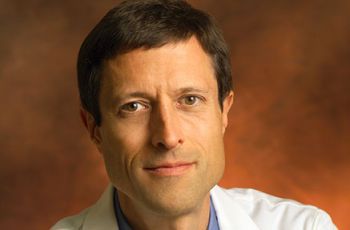
Neal Barnard, M.D., adjunct associate professor of medicine, appeared on WPBS to help Americans make healthier lifestyle choices with his program, "Kickstart Your Health with Dr. Neal Barnard."
Neal Barnard, M.D., adjunct associate professor of medicine, was interviewed by The Boston Globe about why he does not eat meat. He believes that meat and fish are bad for both the heart and brain.
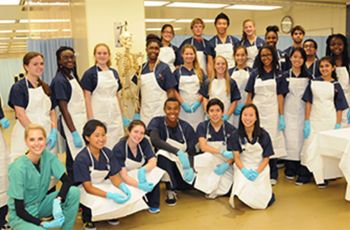
Camp Cardiac is a week-long summer experience for exceptional D.C.-area high school students who are interested in exploring careers in medicine.
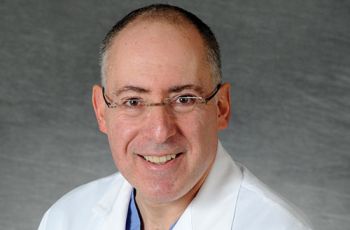
Jonathan Reiner, M.D., profesor of medicine, shares his insights in the Wichita Falls Times Record News on The American Red Cross estimating that as many as 20,000 of deaths a year can be prevented if AEDs were more prevalent across America.
