U.S. Emergency Departments Face Serious Drug Shortages

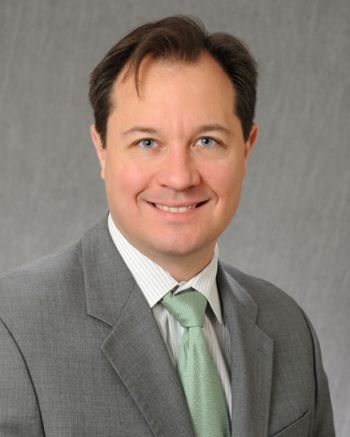
Jesse Pines posing for a portrait and wearing a grey jacket and green tie

WASHINGTON (Jan. 4, 2016) — A new study reveals that drug shortages affecting emergency care have skyrocketed in the United States in recent years. While the prevalence of such shortages fell from 2002 to 2007; the number of shortages sharply increased by 373% (from 26 to 123) from 2008 to 2014.

These medications are approved, but for various reasons manufacturers cannot meet demands or have stopped making the drugs.

“Many of those medications are for life-threatening conditions, and for some drugs no substitute is available,” said Dr. Jess Pines, senior author of the Academic Emergency Medicine study. “This means that in some cases, emergency department physicians may not have the medications they need to help people who are in serious need of them.”

###

This Press Releases posted courtesy of Wiley. For additional material, please visit the Wiley Press Releases.

Latest News

Alison Hall, PhD, senior associate dean for research at the GW School of Medicine and Health Sciences (SMHS), recently assumed the added role of interim director of the GW Cancer Center following the departure of Julie Bauman, MD. In this Q+A she discusses future plans for the GW Cancer Center.
Abigail Polter, PhD, associate professor of pharmacology and physiology, recently received a grant from the Aligning Science Across Parkinson’s (ASAP) initiative to study a small, but integral part of the mid-brain, called the ventral tegmental area responsible for executive function that she…
Pedro Gazzinelli Guimarães, PhD, assistant professor of microbiology, immunology, and tropical medicine, was recently named among the “New Voices in Microbiology” by the journal Infection and Immunity.