
Medicine

David Parenti, M.D., professor of professor of medicine, microbiology, immunology, and tropical medicine, tells Washingtonian magazine what to look out for when it comes to the West Nile virus.
For many students in the GW School of Medicine and Health Sciences (SMHS), summer is a time away from training when they can embrace unique experiences through internships, some of which were organized by the Office of Student Opportunities. These experiences, whether abroad or state-side, vary…

New research, to be published in the Journal of Clinical Psychiatry, finds that men who developed persistent sexual side effects while on finasteride (Propecia), a drug commonly used for male pattern hair loss, have a high prevalence of depressive symptoms and suicidal thoughts.
Michael Irwig, M.D., assistant professor of medicine, was featured in Fox News to discuss his new study published in the Journal of Clinical Psychiatry, titled "Depressive Symptoms and Suicidal Thoughts Among Former Users of Finasteride With Persistent Sexual Side Effects." The story wa
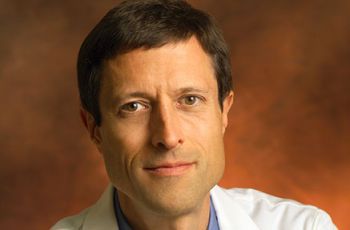
Neal Barnard, M.D., adjunct associate professor of medicine, gave WTOP recommendations on counteracting memory loss while aging.

Congratulations to Katherine Chretien, M.D., associate professor of medicine, for being recognized by the Alliance for Academic Internal Medicine (AAIM) for her outstanding contributions to educational research.
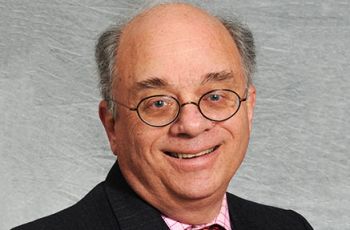
Joshua Cohen, M.D., professor of medicine, commented on the recent tumor removal of World Wrestling Entertainment (WWE) star Dalip Singh, known as The Great Khali. The tumor is believed to have caused his seven-foot-one, 347 pound size.

Nicolas Guzman, M.D., associate professor of medicine, was interviewed on the American Association of Retired Persons (AARP) Spanish radio channel ¡Inspírate! on the program "VIVA Su Segunda Juventud" to discuss the Affordable Care Act and its implications on the Hispanic community.
GW's Dr. Michael Irwig is the lead researcher on a new study that suggests that men who take the drug Propecia (generic name finasteride) and experience sexual dysfunction as a side effect, may not regain normal sexual function even after stopping the medication.
Michael Irwig, M.D., assistant professor of medicine, was interviewed on the NBC Today Show about a new study that was published in the Journal of Sexual Medicine, titled "Persistent Sexual Side Effects of Finasteride: Could They Be Permanent?"
