A study by researchers from the George Washington University School of Medicine and Health Sciences (GW SMHS) and published in Nature Communications has identified a critical protein, And-1, that plays a vital role in repairing DNA damage caused by UVB radiation — the harmful rays from the sun that can lead to skin cancer.
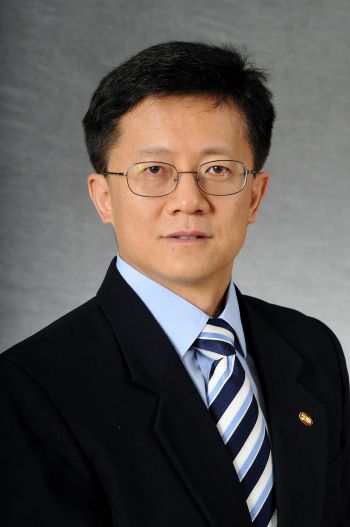
The discovery sheds light on how our bodies defend against the long-term effects of sun exposure and may lead to new ways to prevent or combat skin cancer, according to the study’s lead author Wenge Zhu, PhD, professor of biochemistry and molecular medicine at GW SMHS.
When UVB radiation damages DNA, it can interfere with the “instruction manual” that tells our cells how to function. If the damage is not repaired, it can cause errors that lead to diseases like cancer. Fortunately, explained Zhu, our bodies have a repair system called the nucleotide excision repair (NER) pathway, which acts like a cleaning crew to fix the damage. The researchers found that And-1 is a key leader in this repair process, helping another protein, DNA polymerase δ, to fill in the gaps left after the damaged DNA is removed.
The study revealed that And-1 needs to be "switched on" through a process called phosphorylation to do its job effectively. Without this activation, the repair process slows down, leaving DNA vulnerable to further damage. In experiments with mice, those lacking a properly functioning And-1 protein were less able to repair UVB damage and developed skin tumors more easily. This highlights the importance of And-1 in protecting against skin cancer.
“This discovery is exciting because it uncovers And-1 as a pivotal factor in NER-mediated DNA repair and highlight its role in skin cancer formation,” said Zhu, who also serves as scientific leader of the GW Cancer Center’s Molecular Therapeutics Focus Group.
According to Zhu, the study findings open new doors to explore how And-1 and similar proteins could be targeted to improve DNA repair mechanisms.
The study, “And-1 coordinates with polymerase δ to regulate nucleotide excision repair and UVB-induced skin tumorigenesis,” was published in Nature Communications on Oct. 21, 2025 and was supported by the National Institutes of Health and with a grant from the McCormick Genomic and Proteomic Center.